The first time I pulled on a high‑visibility warden vest and clipped a radio to my belt, I learned an easy fact: people do not increase to the occasion, they fall to the level of their training. PUAERF005, entitled Operate as Component of an Emergency Control Organisation, exists to raise that degree for day-to-day workers who might find themselves assisting loads or numerous associates with a fire, a chemical spill, a gas leak, or a bomb hazard. The device appears technological, yet the work is deeply human. It touches intending, clear interaction, tranquil motion, and the self-control to do ordinary things with precision under pressure.

This post unboxes what that skills looks like in practice, why fire warden training matters beyond conformity, where PUAERF005 fits in, and just how it relates to PUAERF006, the friend device for those that lead as Chief Warden. I will make use of examples drawn from real drills and live cases: what went right, what we changed, and the quirks that just turn up when alarms are loud and people are anxious.
What PUAERF005 really covers
At its core, PUAERF005 run as part of an emergency situation control organisation (ECO) builds the standard capability for wardens to support an emergency reaction within a center. The unit assumes there is a framework in position, commonly drawn from AS 3745 Planning for emergency situations in centers, where functions include Chief Warden, Deputy Chief Warden, Communications Police Officer, Floor or Location Wardens, and Wardens for details zones.
The device outcomes fall into four buckets. Initially, situational preparedness: recognizing the site's emergency situation plan, the designs, the fire safety and security devices, alarm tones, and discharge paths. Second, case feedback: promptly identifying the sort of emergency situation and selecting the appropriate activities within your scope. Third, control and communication: using radios correctly, communicating succinct details, and following the hierarchy. Fourth, post‑incident actions: accountancy for occupants, sustaining the handover to emergency situation services, and adding to debriefs.
I have trained people that excel at 2 or three of those locations, after that falter at the 4th. A knowledgeable warden corresponds throughout all 4. The PUAERF005 course aims to create that consistency, and respectable service providers analyze it with functional circumstances, not simply theory.
Why this matters beyond the certificate
Fire warden training is not concerning using a coloured hat and pointing to exits. It is about decreasing time in between alarm system and choice, time in between choice and safe movement, and time between safe movement and accurate headcounts. In a ten‑storey office with 800 passengers, cutting a min off decision time can mean an extra 200 people cleared prior to smoke spreads up and down with a stairwell. In a research laboratory with flammables, that minute can identify whether the responding crew meets an included occurrence or a completely involved room.
I have seen workplaces deal with warden training as a tick‑box. Those workplaces have a tendency to fail in tiny but expensive ways. Radios run out of cost mid‑drill. Wardens do not recognize that needs a Personal Emergency situation Discharge Plan. External setting up points are placed where delivery trucks additionally queue. None of that needs heroics to fix, chief warden hat colour only interest to detail and a state of mind that PUAERF005 tries to create.
Roles, colours, and the reason they exist
People enjoy the optics: the vests and helmets in distinct colours, the signage, the control panel at the emptying point. The colours are not decor. They enable nonverbal acknowledgment in sound and smoke, and they assist initially -responders quickly find the person with the information they need.
An usual convention in Australia utilizes white for the Chief Warden and Deputy Chief Warden, while flooring or location wardens put on yellow. Communications or wardens handling specific features might use different identifiers relying on the website. If you have actually ever before questioned what colour helmet does a Chief Warden wear, or asked about chief warden hat colour, the solution in several workplaces is white, which aligns with chief fire warden hat colour methods. Fire warden hat colour for location wardens is usually yellow. Always verify with your site's emergency situation plan, because regional policy can vary, especially in commercial facilities with extra duties for emergency treatment or spill response.
I recommend a basic on‑site legend posted near ECO equipment: images of the vest and safety helmet colours, duty titles, and radio call indications. It helps memory throughout drills and aids new team capture up quickly.
The partnership in between PUAERF005 and PUAERF006
PUAERF005 gears up wardens to operate within direction. PUAERF006 lead an emergency situation control organisation prepares the Chief Warden and Deputy to make those decisions, take care of the control point, and liaise with emergency situation solutions. Many wardens will complete the PUAERF005 program, while the Chief Warden and any type of deputies complete the PUAERF006 course too. If you rotate Chief Warden tasks, train at the very least two or 3 individuals to that degree, and test the turning in drills.
The sensible difference is very easy to detect during a case. A warden trained to PUAERF005 will check their area, clear spaces, close doors, record problems, and guide occupants to the assembly area. A chief warden trained to PUAERF006 will certainly review competing reports, terminate or continue emptyings by location, turn on or isolate alarms as suitable, designate resources, and control the tempo of details. Both are necessary. If your group has only chiefs and no wardens, nobody removes rooms. If you have only wardens and no principals, people move however information does not come to be command decisions.
Fire warden needs in the workplace
Legislation and Australian Criteria established wide assumptions, and building codes and insurance company problems include detail. The fire warden requirements you have to satisfy rely on your danger profile, building size, variety of owners, and the nature of your procedures. A circulation storehouse with 30 team and huge travel distances needs a various ECO footprint than a hospital with 24‑hour procedures and immobile owners. Practical ratios I have actually made use of array from one warden per 20 to 50 owners in low‑risk workplaces, to as many as one per 10 in locations with prone people.
The fire warden training requirements additionally vary, however generally you ought to refresh PUAERF005 abilities every one to two years and run emptying workouts a minimum of yearly. New wardens must finish a warden course quickly, ideally within a month of consultation. If you operate in a higher‑risk setting or have high personnel turnover, enhance the frequency.
Remember shift protection. I have examined websites with strong day‑shift protection and no after‑hours ability. Emergency situations do not prevent nights. Train wardens throughout all shifts, and record who holds keys, that understands how to reset panels, and exactly how the night supervisor contacts the Chief Warden.
Inside the PUAERF005 course
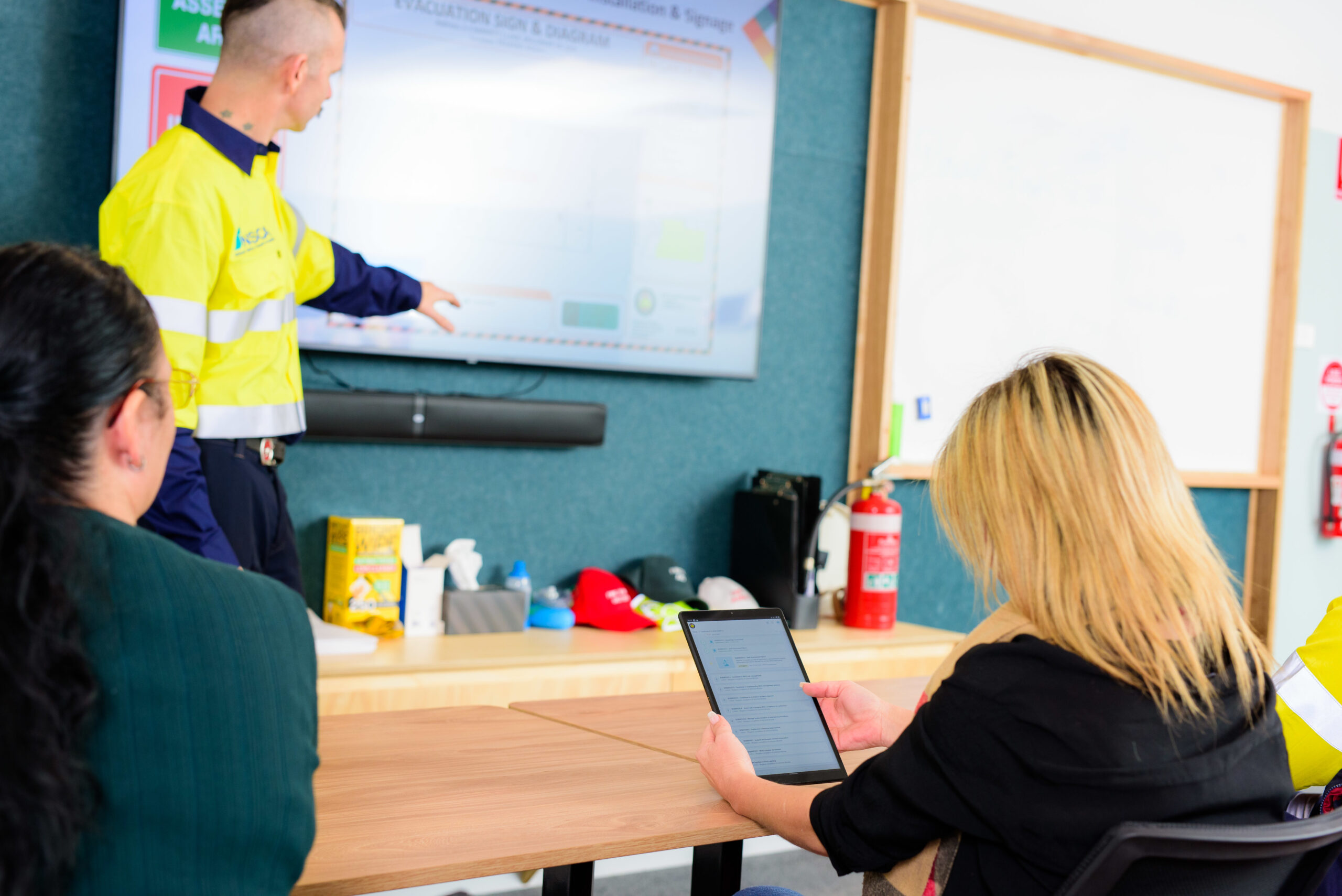
A solid PUAERF005 training course mixes class, walk‑throughs, and situation drills. Expect content on alarm systems and tones, usual emergency situation kinds, search techniques, risk-free door procedures, isolation points, and the human aspects that derail emptyings. The very best trainers will take you into your real stairwells and plant spaces. Theory without context stops working when the lights and sirens come on.
One remarkable workout in a mixed‑use building had us evacuate office floorings while maintaining a child care centre in a defend‑in‑place posture due to exterior smoke problems. A warden tried to move the kids right into the stairwell prior to checking air high quality and the plan. We drew them back and used inner haven spaces with better purification. That choice streamed from comprehending the emergency situation strategy, not simply need to move.
Look for analysis that asks you to radio a precise Circumstance, Job, Intent, Time upgrade. For instance: Degree 7 West got rid of. Doors closed. Light smoke near print area, no fire situated. Relocating south stairwell evac to Setting up B. ETA 4 mins. That type of message conserves mins and protects against duplication.
Drills that teach, not just test
I like drills that stretch one variable each time. If you evaluate everything simultaneously, you learn very little regarding where the system bends. One quarter, we disabled one leave and enjoyed exactly how wardens rerouted the circulation to second stairs. Another time, we presented a radio with a stuck transmit button and waited to see that switched over networks or utilized runners. We do at least one no‑notice drill a year, and at least one after‑hours drill every two years, also if it means a small stipend for staff that participate.
Treat drills as wedding rehearsals, not parades. Real fires do not align nicely. In one site, we had a lift entrapment simultaneous with an emergency alarm. The wardens split duties well since we had actually practiced simultaneous events, not simply single‑threaded scenarios.
Communication under pressure
Most warden training hangs around on radios, yet it is the top quality of the message that matters. Maintain transmissions short, specific, and without supposition. Learn the building's area names, stairwell identifiers, and assembly factor tags. Avoid stating the big space at the end of the hall; state West Conference 3, Degree 10. If you do not understand, state Unknown instead of presuming. The Chief Warden can not make good choices on poor information.
Face to‑face communication is just as crucial. Talk noisally, not shouting, and with instruction language. Do not ask, please leave preferably. Claim, relocate to the south stairwell currently, keep to the left, do not make use of lifts. Stroll behind groups to make sure doors close, examine commodes, and check little rooms where people isolate throughout calls and fail to remember to relocate. In a recent drill, 2 personnel putting on noise‑cancelling headsets missed the alarm. We currently require visual alarm strobes and a flooring move that consists of a headset check in open‑plan spaces.
Accounting for individuals, not simply numbers
Headcounts typically look clean on paper. The real world is messier. Professionals, site visitors, and remote staff decrease in and out at strange intervals. Modern gain access to control and visitor monitoring assistance, but wardens still require to verify. I insist on 2 approaches: a roll generated from gain access to logs or visitor sign‑ins, and a physical sweep verification. In a warehouse, we additionally counted forklifts parked in the haven area as a proxy for vehicle drivers that https://squareblogs.net/iernensuaf/warden-training-drills-designing-effective-practice-scenarios ought to be present. You discover innovative hints when you understand your site.
Accountability needs to not delay the handover to Fire and Rescue. If you can not represent a person within an affordable duration, pass that details onward exactly: one employee unaccounted for, last swipe Level 3 East 10:57, name and get in touch with, most likely place near packing station. This information drives danger choices for responders.
Edge cases and judgment calls
No plan endures call with reality. That is not a factor to disregard plans, it is a tip to work out judgment. Below are a few examples where PUAERF005 training anchors choice making however experience refines it.
During a power failure with alarms energetic, the chief emergency warden should balance discharge speed with stairwell security. In a high‑rise with emergency lighting, we tightened spacing and published wardens with radiance sticks every 2nd touchdown. It took much longer, however we prevented panic.

In a chemical research laboratory, a minor spill with solid smell activated a synchronised evacuation and spill reaction. The warden guided non‑essential personnel out, then held back a trained spill team with appropriate PPE to consist of within minutes. That hold-back ran counter to the natural urge to empty the space promptly, however it matched the plan and avoided a fire risk.
In a retail place, the alarm system seemed during a weekend break sale. Clients do not behave like team. Wardens moved to highly visible placements, made use of brief hand signals, and shepherded individuals toward exits with arm sweeps, not words just. We later on included multi‑language emptying cards at registers for quick circulation during incidents, a little modification that paid off.
How to select a warden course provider
The difference between a textbook program and a sensible warden course turns up when the warmth gets on. Search for trainers that will:
- Tailor scenarios to your structure layout and market dangers, not simply generic workplace fires. Include radio drills that compel brevity, precision, and escalation to the Principal Warden. Walk wardens through plant spaces, staircase cores, roof covering leaves, and control board to debunk the hardware. Assess each participant's capability to browse, close doors, and handle tiny teams calmly. Run a debrief that generates three to five concrete enhancements with proprietors and due dates.
If the supplier additionally runs PUAERF006 lead an emergency control organisation training, even much better. Control in between the warden training and chief warden training makes certain consistent language and duty clarity.
Chief warden responsibilities and how PUAERF005 supports them
People frequently inquire about chief warden responsibilities versus warden duties. The Chief Warden controls the emergency situation action within the website until emergency services take control of. They determine whether to evacuate, neutralise, or defend in place based upon the strategy and inbound reports. Chief fire warden responsibilities include turning on alarm systems, managing the control point, interacting with initial -responders, and documenting activities. Chief fire warden duties extend to overseeing drills, keeping ECO lineups existing, and making certain tools like warden packages, tabards, and radios are maintained.
PUAERF005 underpins that management by ensuring wardens deliver reliable info and carry out the plan easily. A chief warden can not lead if wardens do not move spaces, close fire doors, and overview people effectively. Wardens who have done strong emergency warden training eliminate sound from the system so the Chief Warden can concentrate on decisions.
If you aspire to lead, complete the chief warden course after you fit as a location warden. The action up is not simply expertise, it is the way of thinking of having end results for the whole site rather than a single floor.
Building blocks of a reputable ECO
An ECO that works is hardly ever the result of a single charismatic leader. It is a system of little habits.
Appoint wardens that are present on the floor the majority of the day, not taking a trip managers. Provide time to discover their flooring's traits: doors that stick, blinds that conceal departures, stairwells with uncomfortable landings. Set a radio billing routine. Maintain extra vests and chief warden hat options in numerous areas, not just a single cabinet. Label staircases numerically and by principal instructions. Update the strategy after every repair. Create easy, site‑specific fast cards for common occasions: kitchen area fire, questionable package, gas odor, medical occasion with defibrillator.
When new lessees or departments move in, do a joint induction on the emergency situation strategy. One building I dealt with included a fitness workshop on Degree 2. Nobody told the ECO up until the first drill, when we located a course of 20 in activewear uncertain where to go, plus music so loud they missed out on the alarm. We included a line to the fit‑out list: alert the Chief Warden and incorporate right into the warden structure prior to opening.
The human side of evacuation
Emergencies interrupt job, but they also trigger problem for individual things, pets in dog‑friendly offices, and flexibility obstacles. Address those ahead of time. Establish a clear regulation: leave laptops and bags behind. If the website permits animals, assign a particular warden to shepherd that area out promptly so pets do not screw. For individuals that use mobility aids, pre‑assign friends and identify sanctuary areas with communication factors if staircases are not safe. Practice that procedure. Throughout one drill, an employee's wheelchair did not fit with a second exit as a result of a plant pot placed over the painted clearance. Seeing that when sufficed to alter our day-to-day housekeeping.
Anxiety can make sensible grownups stop at leaving, especially during top target dates. Wardens ought to prepare to make use of firm language and existence. If someone declines, do not wrestle with them. Record the area, step others out, and notify the Chief Warden. That record secures every person and informs responders.
Documentation that really helps
Paperwork gets a negative name, however the best papers speed up choices. Keep copies of the emergency situation strategy at the control factor and electronically. Keep a current warden lineup with get in touch with information, plus extra radios identified by function. Post a straightforward radio protocol card. Keep floor plans with significant departures, extinguishers, hose pipe reels, and fire indicator panel areas. If you run a chief warden hat or vest system, standardise storage and problem checks, and compose that right into a monthly routine.
After each drill or case, compose a two‑page debrief: what worked, what did not, actions, owners, dates. Resist the urge to create long stories. The goal is improvement, not literary works. Share a summarised variation with all staff so they comprehend the why behind changes.
When to set PUAERF005 with other training
PUAERF005 bases on its very own, yet specific websites take advantage of combining it with complementary modules. Emergency treatment and CPR training for a part of wardens aids when evacuations intersect with medical events. Extinguisher use training is important, but instruct restriction: only attempt if safe, with a clear path of resort, and within the plan. For sites with hazardous chemicals or constrained areas, targeted training for those risks is essential, separate from general warden duties.
For those moving into management, PUAERF006 course content such as decision making under unpredictability, intermediary with emergency situation services, and communications monitoring complete the capacity. In some organisations, the chief fire warden course is packed with site‑specific command blog post workouts. Take that choice if you can. It makes a difference.
A realistic path to competence
If you are establishing or revitalizing an ECO, think in phases. Identify wardens and a principal. Enrol wardens in PUAERF005 and principals in PUAERF006. Stroll the website together and readjust the plan. Run a basic drill and debrief honestly. Repair two or three problems, after that run a somewhat a lot more complex situation. Within six months you can relocate from compliance to confidence.
I usage one straightforward statistics to measure progression: during a drill, could a visitor without training follow the circulation, see the wardens, and really feel safe? If the solution is indeed, your system is functioning. If the answer is no, you have job to do on exposure, interaction, and control points.
Common challenges and exactly how to prevent them
Three repeating issues appear across industries. Initially, tools complacency. Radios left uncharged, batteries in warden lanterns dripping, chief warden hat and vests missing out on when needed. Designate obligation and calendar tips, not unclear great intents. Second, strategy drift. Flooring designs change, furniture obstructs departures, new occupants show up, and no one updates the layouts. Schedule a quarterly walkthrough with wardens and the facilities group. Third, leadership gaps. The best wardens can not make up for a reluctant or absent Chief Warden. Invest in chief warden training and ensure the individual is willing to take charge.
On one website, the Chief Warden seat revolved regular monthly to spread out the load. It serviced paper and stopped working in practice. People forgot handovers, radios strayed, and confidence vaporized. We switched over to a stable Chief Warden with two replacements and a simple lineup for after‑hours insurance coverage. Performance supported within a quarter.
Final thoughts from the field
A well‑run ECO decreases damage and downtime, protects your individuals, and pays back its expense the very first time an alarm seems. PUAERF005 offers wardens the foundation of that ability. PUAERF006 makes sure somebody at the helm can guide. Both count on practice, clarity, and a sensible culture.
I keep in mind a tiny fire in a web server room that activated at 11:42 on a wet Tuesday. The floor warden had actually done the PUAERF005 program three months previously. They relocated quietly, closed doors, got rid of the floor, provided a crisp radio upgrade, and fulfilled me at the control point with names and numbers. We handed a tranquil scene to Fire and Rescue within minutes. Servers suffered some smoke exposure, yet no one worried, and we were back at desks prior to the hour. That is what success looks like in this work. It is not dramatic. It is professional.
If your organisation has wardens on paper but not in practice, begin now. Select a solid emergency warden course, buy warden training, and, for those tipping up, book the chief warden course. Criteria and colours and certifications issue. What issues a lot more is the quiet self-confidence that originates from a group that has practiced their component and trusts one another when it counts.
Take your leadership in workplace safety to the next level with the nationally recognised PUAFER006 Chief Warden Training. Designed for Chief and Deputy Fire Wardens, this face-to-face 3-hour course teaches critical skills: coordinating evacuations, leading a warden team, making decisions under pressure, and liaising with emergency services. Course cost is generally AUD $130 per person for public sessions. Held in multiple locations including Brisbane CBD (Queen Street), North Hobart, Adelaide, and more across Queensland such as Gold Coast, Sunshine Coast, Toowoomba, Cairns, Ipswich, Logan, Chermside, etc.
If you’ve been appointed as a Chief or Deputy Fire Warden at your workplace, the PUAFER006 – Chief Warden Training is designed to give you the confidence and skills to take charge when it matters most. This nationally accredited course goes beyond the basics of emergency response, teaching you how to coordinate evacuations, lead and direct your warden team, make quick decisions under pressure, and effectively communicate with emergency services. Delivered face-to-face in just 3 hours, the training is practical, engaging, and focused on real-world workplace scenarios. You’ll walk away knowing exactly what to do when an emergency unfolds—and you’ll receive your certificate the same day you complete the course. With training available across Australia—including Brisbane CBD (Queen Street), North Hobart, Adelaide, Gold Coast, Sunshine Coast, Toowoomba, Cairns, Ipswich, Logan, Chermside and more—it’s easy to find a location near you. At just $130 per person, this course is an affordable way to make sure your workplace is compliant with safety requirements while also giving you peace of mind that you can step up and lead when it counts.